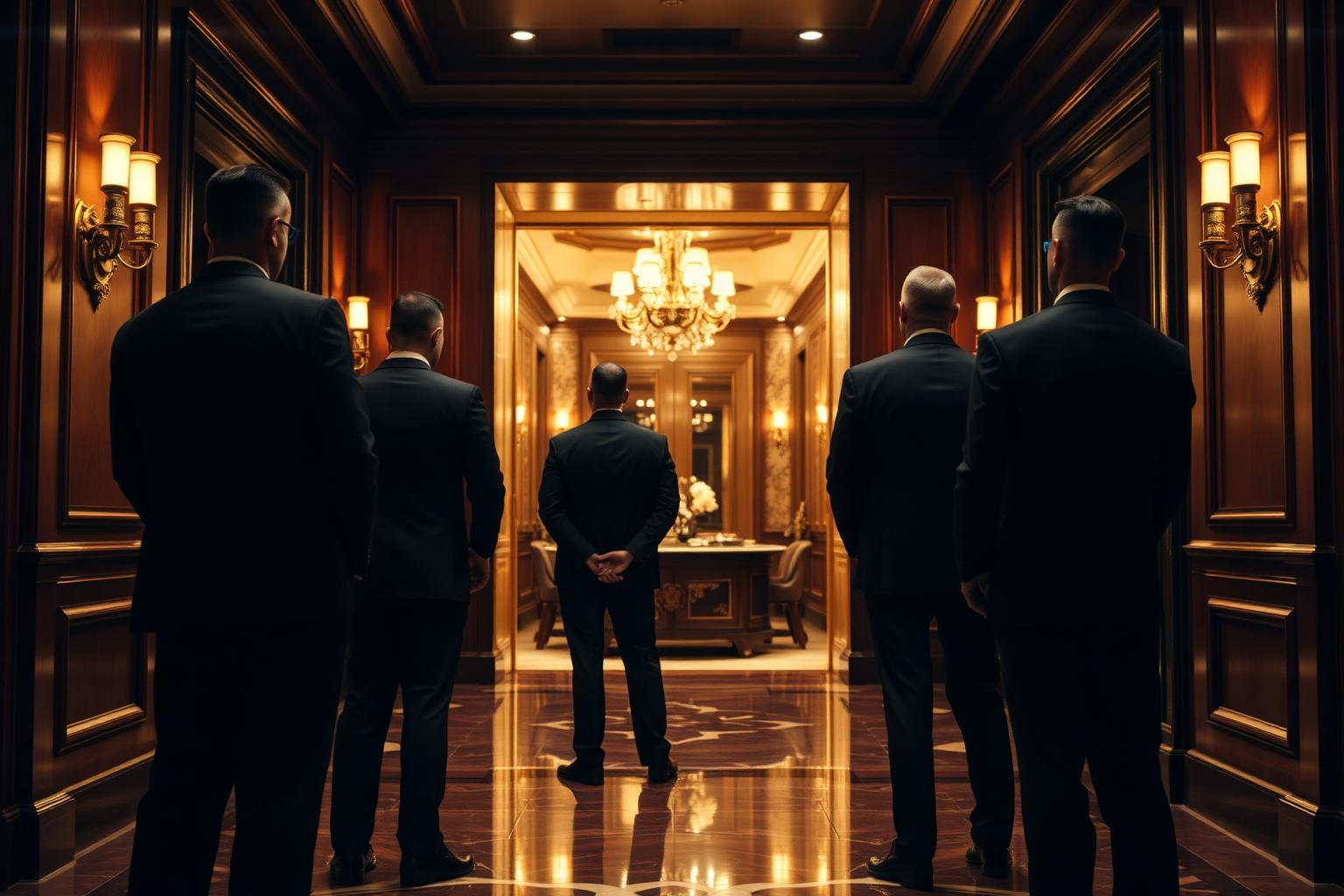
Most Work Is Invisible
An estimated 70% of close protection work never gets posted anywhere. No job board, no LinkedIn listing, no company careers page. It moves through a phone call: an operator gets offered a detail, can't do it, recommends someone else. That someone does a good job. Next time, the company calls them directly.
This is the single most important thing to understand about the CP hiring market. It's a referral economy. Every detail you work is simultaneously a job and a job interview for three future details you don't know about yet.
The Three Tiers
Global Corporations
The large multinational firms. They handle hundreds of details monthly across multiple continents. They're the most common entry point for new operators because they need volume and always have their roster open.
The deal: You get experience and variety. They get lower rates because there's always another operator willing to work for what they pay. You're a name on a spreadsheet. The work is inconsistent, but the exposure is hard to match elsewhere.
Boutique Firms
The fastest-growing segment. Small operations — 5 to 30 operators — specializing in a niche: celebrity EP in LA, UHNW families in London, corporate details for tech. Better rates, more interesting work, a closer relationship with the firm's leadership.
The catch: You find them through networking, not job boards. They're selective about who they bring on. And when their clients are quiet, you're quiet.
Direct / Family Office
The most coveted positions in the industry. Working directly for a principal with no agency in between. Full-time, salaried, significant benefits — vehicle, housing allowance, insurance. Packages of $150K-$300K+ are real at this level.
The reality: These positions almost never appear publicly. They're filled when a principal's assistant calls a trusted operator and asks "who do you know?" That's the entire hiring process.
Where Demand Is Shifting
Tech sector: Now the largest employer of EP in the US. Not just for billionaire founders — mid-level executives at public tech companies receive EP as a standard perk. These clients are younger, more privacy-conscious, and travel constantly on short notice.
Expanded "celebrity": The definition has stretched. Influencers with 10M+ followers have real security needs. K-pop touring has exploded. Gaming and esports personalities are starting to require EP for public appearances. The market has grown far beyond traditional Hollywood.
Saudi Arabia: Vision 2030 is creating demand that didn't exist three years ago. International events, tourism, entertainment — more VIPs visiting, more events requiring security, more residential details for expat families.
Corporate duty of care: Post-pandemic, companies have expanded EP down from CEO-level to mid-executive. Not glamorous work, but consistent and growing.
What Clients Are Actually Selecting For
The requirements have shifted noticeably. This is what we see across hundreds of job listings:
- Presentation over intimidation. Clients want operators who look like executive assistants, not bouncers. The "tactical operator" aesthetic is actively avoided by most UHNW clients.
- Cultural intelligence. Can you navigate a Michelin dinner in Tokyo and a tribal meeting in West Africa without being conspicuous? This is increasingly listed as a requirement, not a bonus.
- Digital awareness. Not cybersecurity expertise — but understanding social media exposure, phone security, and what a basic OSINT search can reveal about their principal.
- Longevity. For residential roles, principals want someone who will stay. High turnover creates security gaps. Demonstrating stability is a competitive advantage over operators with flashier CVs.
"The operators who stay busy aren't the most certified. They're the ones whose principals say 'I only want them.' That kind of trust can't be faked and takes years to build."
See Who's Hiring
580+ positions across all three tiers — global firms, boutique operations, and direct family office roles.
Browse Positions →